A mountain week
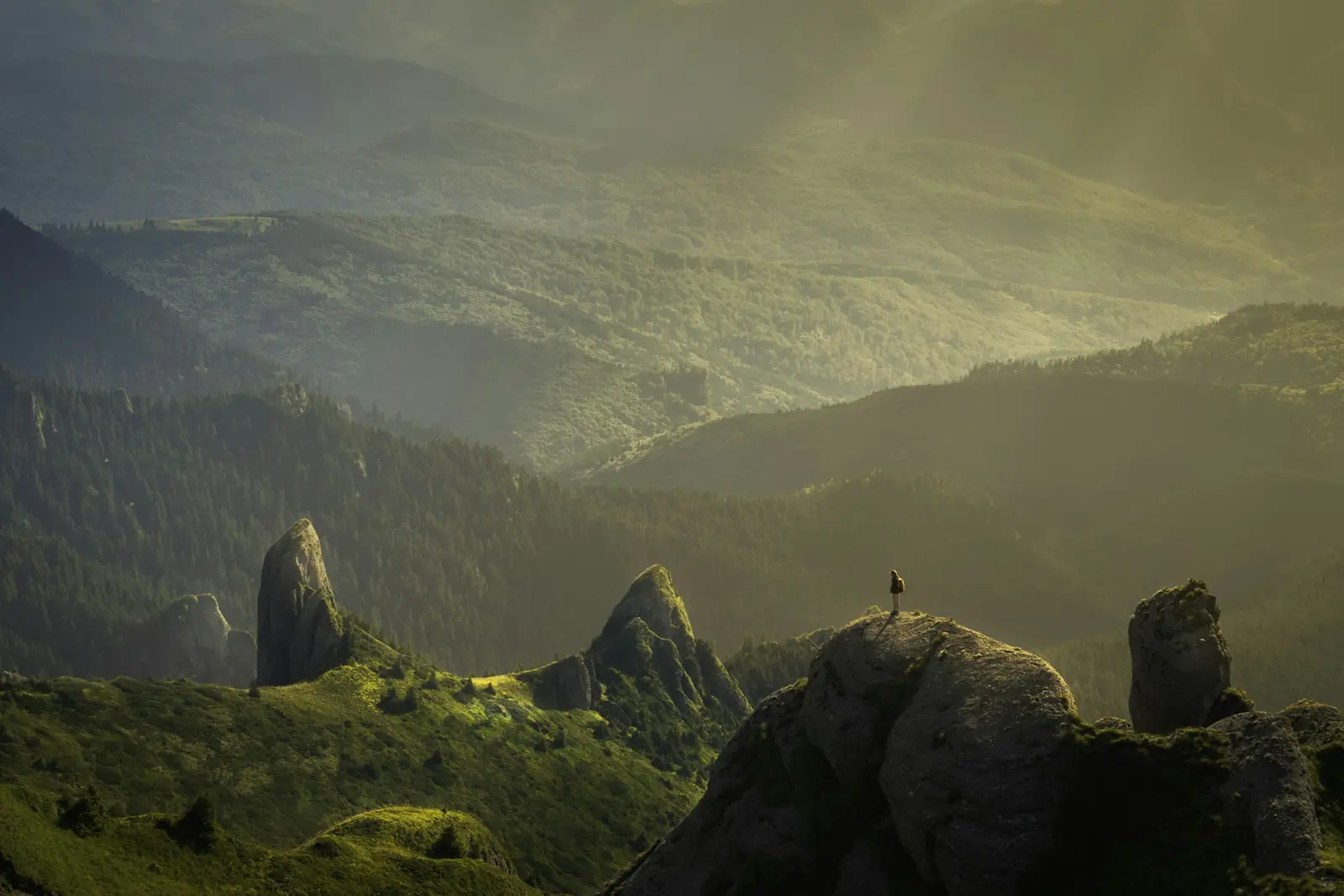
If the photograph in your head is a lake and a ridge, start with Rocky Mountain stays. Banff, Canmore, Lake Louise, Kananaskis, and Jasper do not share a main street. Calgary is the usual air door, not a trailhead.
Guide
These guides sit above single cities. Use them when you know the kind of trip and not yet the town. Then open the local page.
Destination overview
A city page is a place. A guide is a comparison across places. Read a guide when you are choosing between Banff and Canmore, or between a downtown and an airport. The job is to stop you from treating the country as one hotel filter.
Four trip shapes cover the searches that actually need that comparison. Rocky Mountain stays separates park towns. City breaks separates neighbourhoods in the large centres. Atlantic Canada keeps harbour cities and the island from collapsing into one Maritime night. Airport overnights decides when a terminal hotel is the honest call.
The guides are not itineraries with timed tickets, and they are not a path to a reservation. They are the editorial layer that keeps the hotel directory from being only a list. When the place is clear, confirm current details with the travel provider you choose.
Thematic guides
Each guide compares places that share a trip shape. Open one, then drop into the city pages.
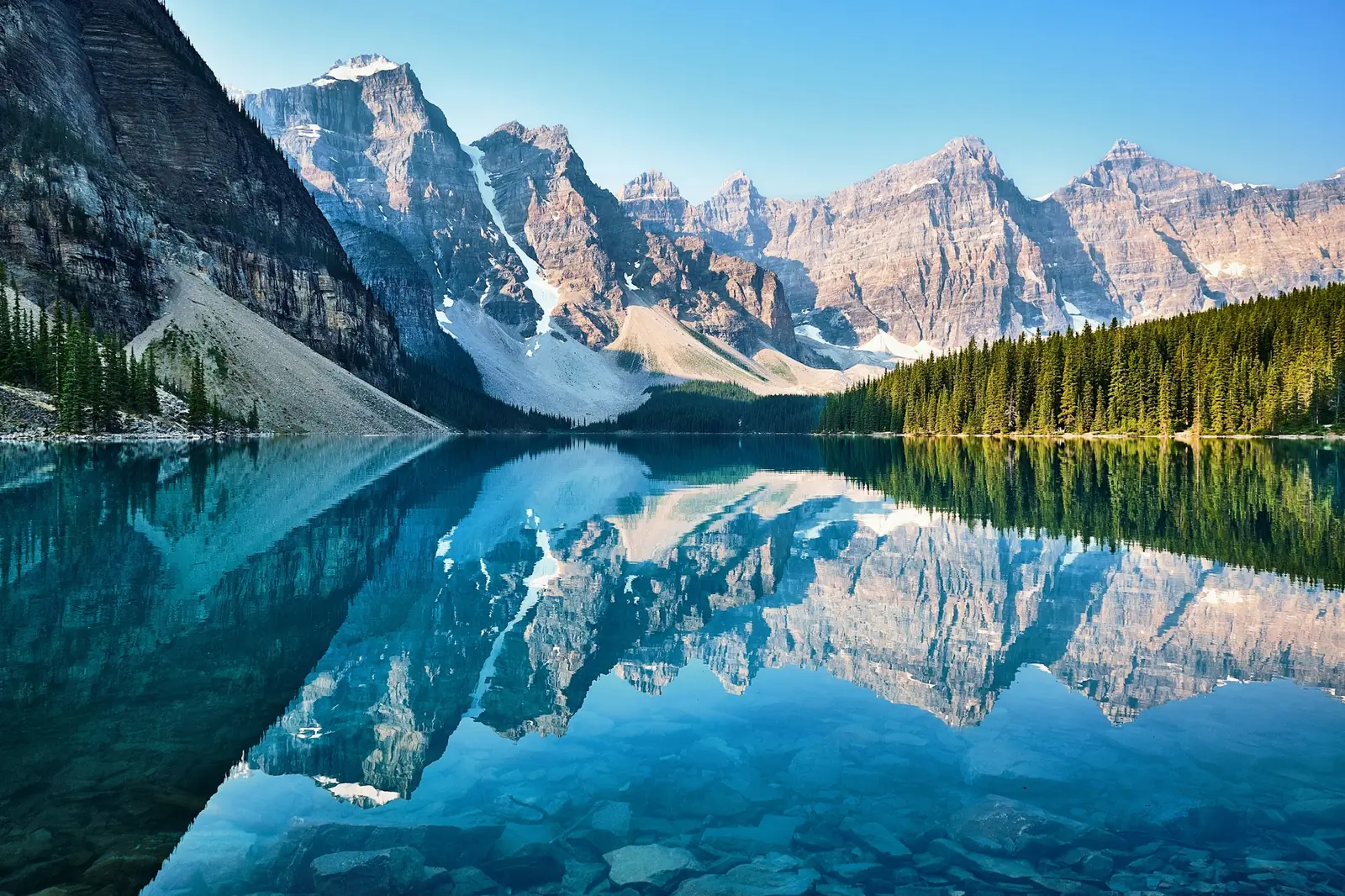
The Rockies are several hotel problems wearing one photograph. Banff town, Canmore, Lake Louise, Kananaskis, and Jasper are not interchangeable nights.
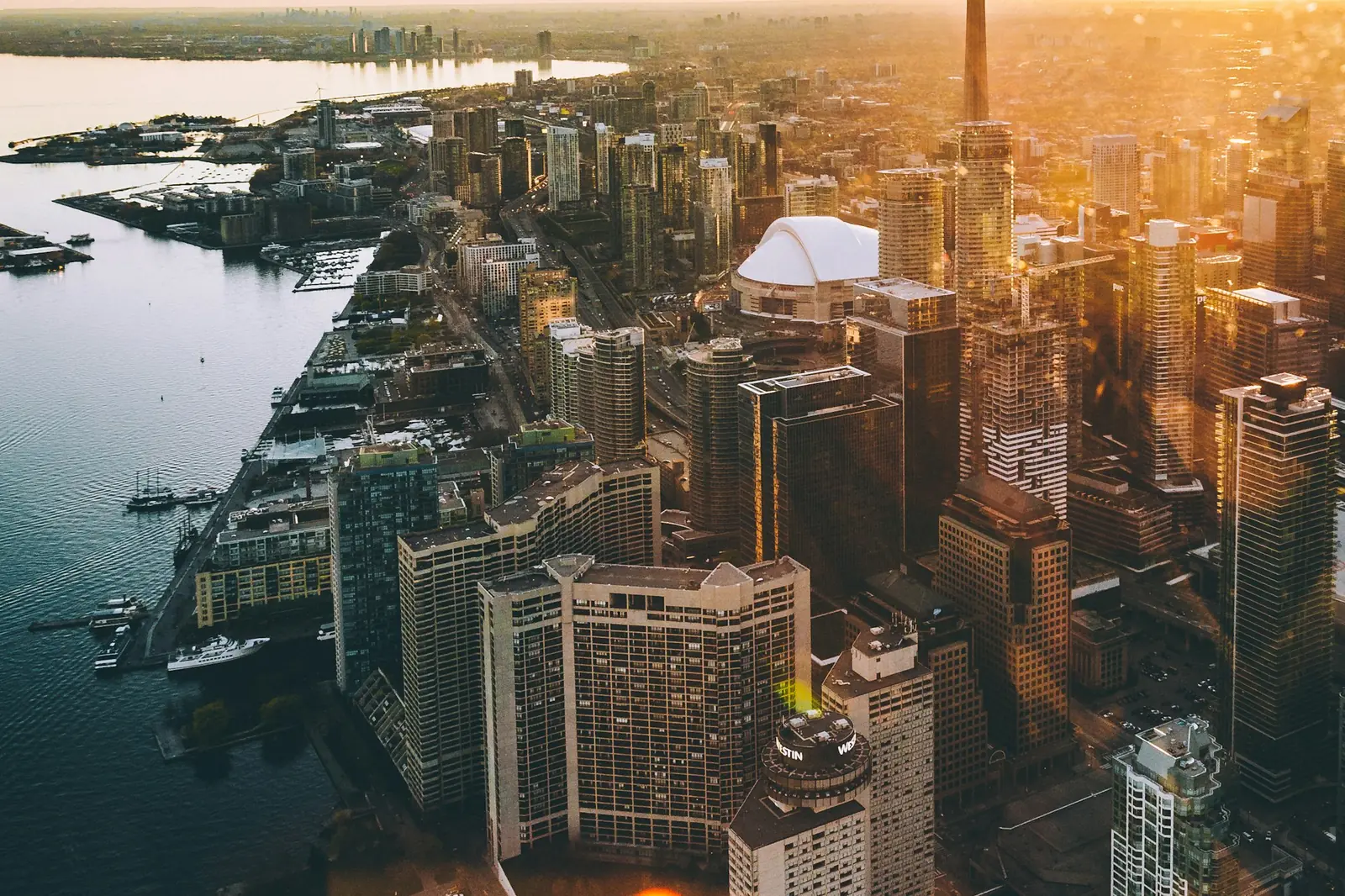
Two nights in a Canadian city are won or lost on the walk from dinner. Toronto, Montréal, and Vancouver do not share a downtown, even though all three have towers.
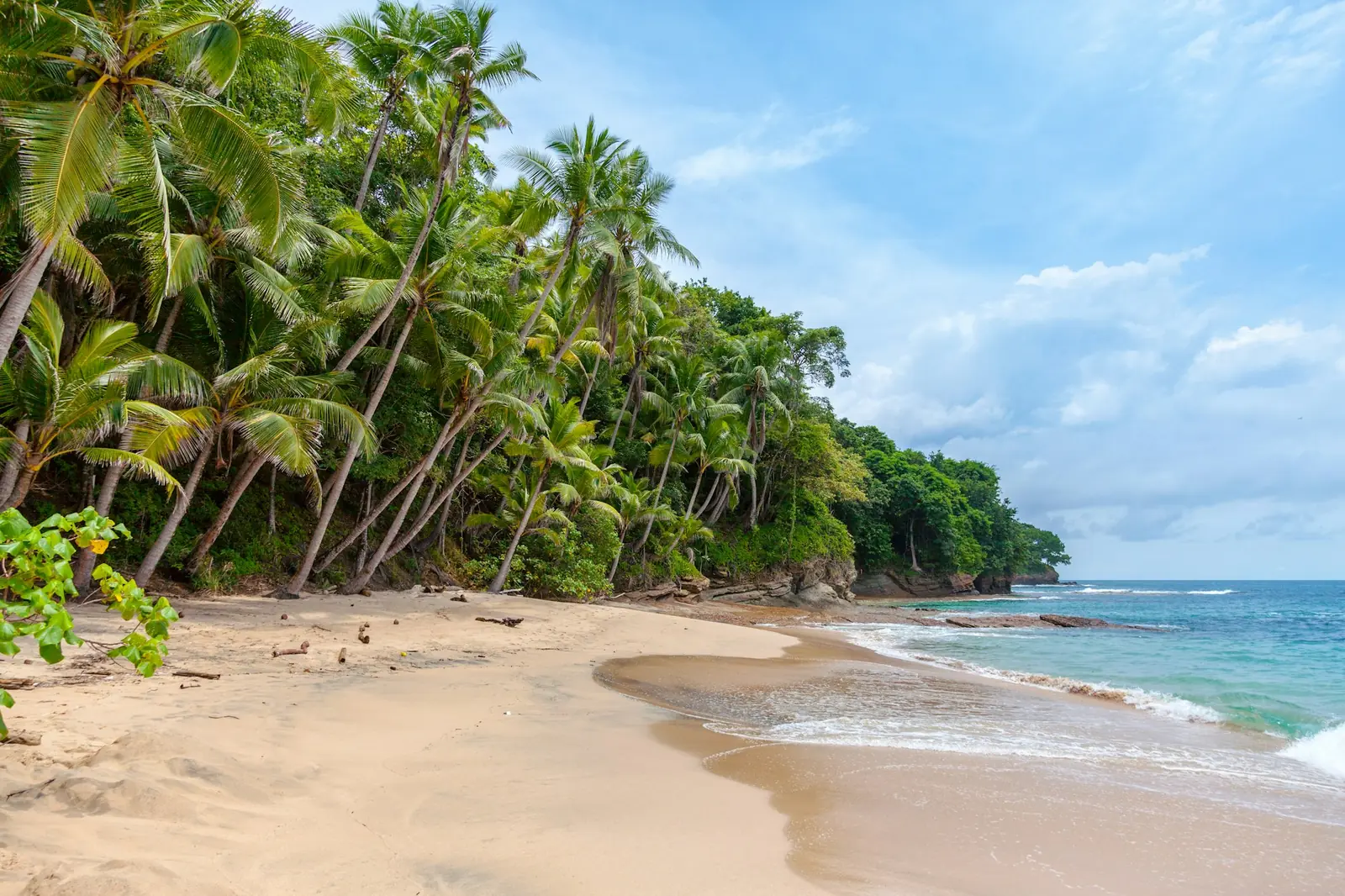
Halifax is not the Atlantic provinces. It is the largest hotel stage. The island, the river capital, and the hub city of Moncton ask for different stays.

An airport overnight is a tool for ugly hours. It is a waste of a city you came to see. This guide is the decision. The airport pages are the geography.
Neighbourhoods
If the photograph in your head is a lake and a ridge, start with Rocky Mountain stays. Banff, Canmore, Lake Louise, Kananaskis, and Jasper do not share a main street. Calgary is the usual air door, not a trailhead.
If the week is dinner and a walk, start with city breaks. Toronto, Montréal, Vancouver, Ottawa, and Calgary are different downtowns. The airport for that city is a third decision.
If the water is Atlantic, start with Atlantic Canada. Halifax is the largest hotel stage. Charlottetown is the island capital. Prince Edward Island is the rest of the shore. Weather can rewrite a ferry day.
Accommodation
The guides do not score cities or name a building to book. They name the trade: walkable town versus quiet base, harbour versus airport, island versus capital.
Nothing here checks rates, open dates, or breakfast hours. Those facts belong to the property or the seller.
A thin page that only swaps a place name would not help. Use the directory when the trip is already local.
Season
Cities stay open and ask for a neighbourhood with a short walk. Mountain roads and coastal ferries ask for a weather check. An airport hotel becomes more reasonable before a dawn departure.
Shoulder season in the Rockies can mean closed trails. Cities are easier. Atlantic shores are not yet in summer mode.
The busiest pavements, the fullest park towns, and the reason an airport hotel and a city hotel should not be confused.
A strong city-break season in the east, larch weekends in the Rockies, and earlier dark on the Atlantic.
Getting there
Most international flights land at Toronto Pearson, Vancouver, Montréal, or Calgary. Each field has its own airport guide. That page is for the flight night. The city page is for the trip.
Trains, ferries, and long drives are ordinary here. If the trip has a fixed sailing or a park gate, read that constraint before you pick a neighbourhood that only works on foot.
Planning
Do not plan Banff and Halifax as if they were two subway stops. Choose the mountain week, the city weekend, or the coast, then open that guide.
A guide is a comparison. The useful next click is a pair of city or town pages, not a third national overview.
When the area is clear, leave this site. Confirm rates, policies, and cancellation with the travel provider you choose.
Choosing
Open the guide that matches the trip shape, then two city pages, then a seller.
If you already know the city, skip this index and open the city.
Travellers
Pick one region. The guides exist to stop a first visit from becoming a windshield week.
Read city breaks for the neighbourhood, then the airport overnight guide if the first or last night is a flight night.
Use the comparison to shift bases: Canmore instead of Banff Avenue, Old Montréal instead of the towers, Charlottetown versus the north shore.
Practical
The four cards below are the published thematic guides. The Canada hotel overview is the national layer. The hotel directory is the full set of places. Use this page when the trip shape is clear and the town is not.
No guide on this site sells a room, lists a price, or holds inventory. A description of a park town is orientation. The reservation happens elsewhere.
Questions
No. Geography is stable. Road reports, park access, and rooms are not. Confirm those with current sources.
No. Live rates were not supplied, and this site does not invent them.
Match the week: mountains, cities, Atlantic water, or a flight night. If you already have a city name, open that city instead.
No. DVSVC publishes context. Reservations are made with travel providers.
Continue
Next
Choose a city or a stay type. Compare the context, then confirm current details with the travel provider you choose.
Browse hotel guides