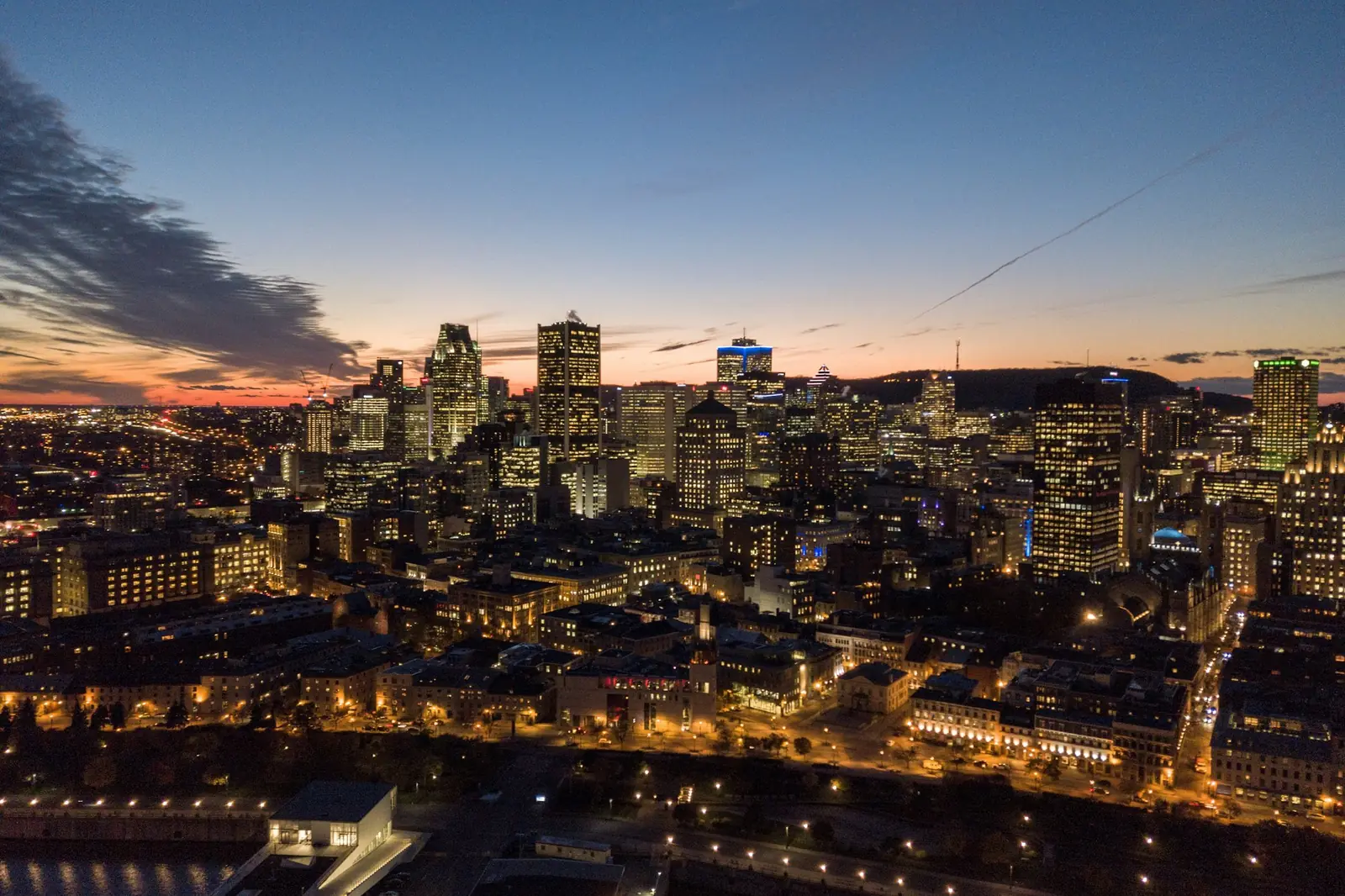
Downtown Montréal at dusk, with Mount Royal on the horizon

Quebec

Montréal hotels, chosen by neighbourhood

Montréal is a French-language city, and English is widely used once you are inside a hotel. The useful question is which neighbourhood holds your evening, and whether a dawn flight belongs in Dorval on the west side of the island.

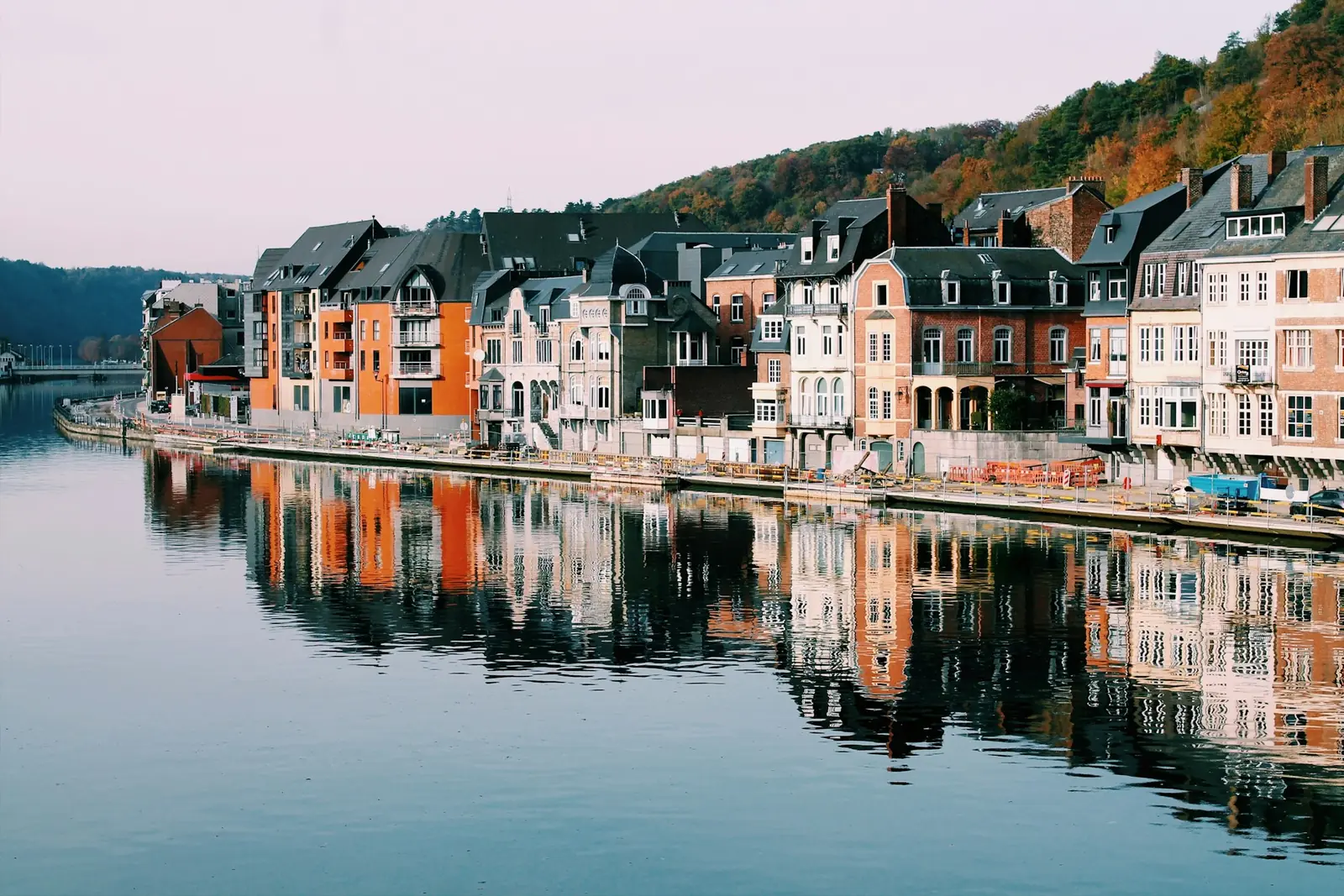
A stone arcade opening onto a cobbled street

Destination overview

Neighbourhood first, brand second

Sleeping in Montréal is a neighbourhood choice that the brand name only partly explains. The city runs in French, and English is widely used at hotel desks, so language rarely picks the building. Where you walk after dinner does. Old Montreal is a small historic grid beside the Old Port. Downtown is a wider commercial core with theatres and, in winter, the underground city. The Plateau, Griffintown, and Mile End pull the stay toward restaurant streets and a slightly longer return at night.

Winter cold is the season that changes the geometry. A pleasant ten-minute walk in July can feel long in January wind, which is why downtown workers and visitors use the indoor network under the core. Summer turns the same streets outward: terrasses, festival crowds, and late light. Neither season is a reason to chase a single famous building. The right area is the one that matches how you will actually move, on foot or by a short ride, after the day is over.

Griffintown sits near the old industrial edge below downtown, with newer streets and a walk toward the basin. The Plateau climbs toward Mount Royal and is built for evenings on foot. Mile End is the next neighbourhood north, a little farther from the tourist core and easy to like if dinner matters more than a lobby. None of these is a substitute for a dawn flight. If the alarm is set for a departure, the Dorval page is the honest comparison, not a footnote under a downtown address.

Neighbourhoods

Five neighbourhoods, three kinds of night

Old Montreal

The historic grid beside the river. Cobblestones, the Old Port, and Notre-Dame basilica give you a landmark every few minutes, which is useful and also a sign that the buildings are older and smaller. People who want that texture accept stairs, smaller rooms, and a livelier sidewalk in July. Read the Old Montreal page before you treat it as just another downtown block.

Downtown

The commercial core around Peel and Place des Arts. In warm months you walk the surface streets. In winter the underground city connects much of the same district, which changes a cold evening more than any amenity list will. This is the practical base for a theatre night, a meeting, or a short walk to the metro.

Plateau, Mile End, Griffintown

North and southwest of the core, the stay changes character. The Plateau is a long walk or a short ride from downtown, with residential streets and the mountain nearby. Mile End continues that idea a little farther north. Griffintown, by contrast, sits below downtown toward the basin and feels newer. Choose these when dinner and a neighbourhood matter more than standing outside a concert hall at eleven.

Accommodation

Towers, cobbles, or a plateau

Downtown hotels

The towers and the underground city are a winter-friendly, meeting-friendly stay. That core has its own page.

Old Montréal

The cobbled riverfront is a different night: tourists, stone, and a shorter walk to the Old Port. It has its own page.

Plateau and neighbourhood stays

Residential streets and a later dinner hour. Useful if the trip is the city, not only the basilica.

Getting there

YUL is in Dorval

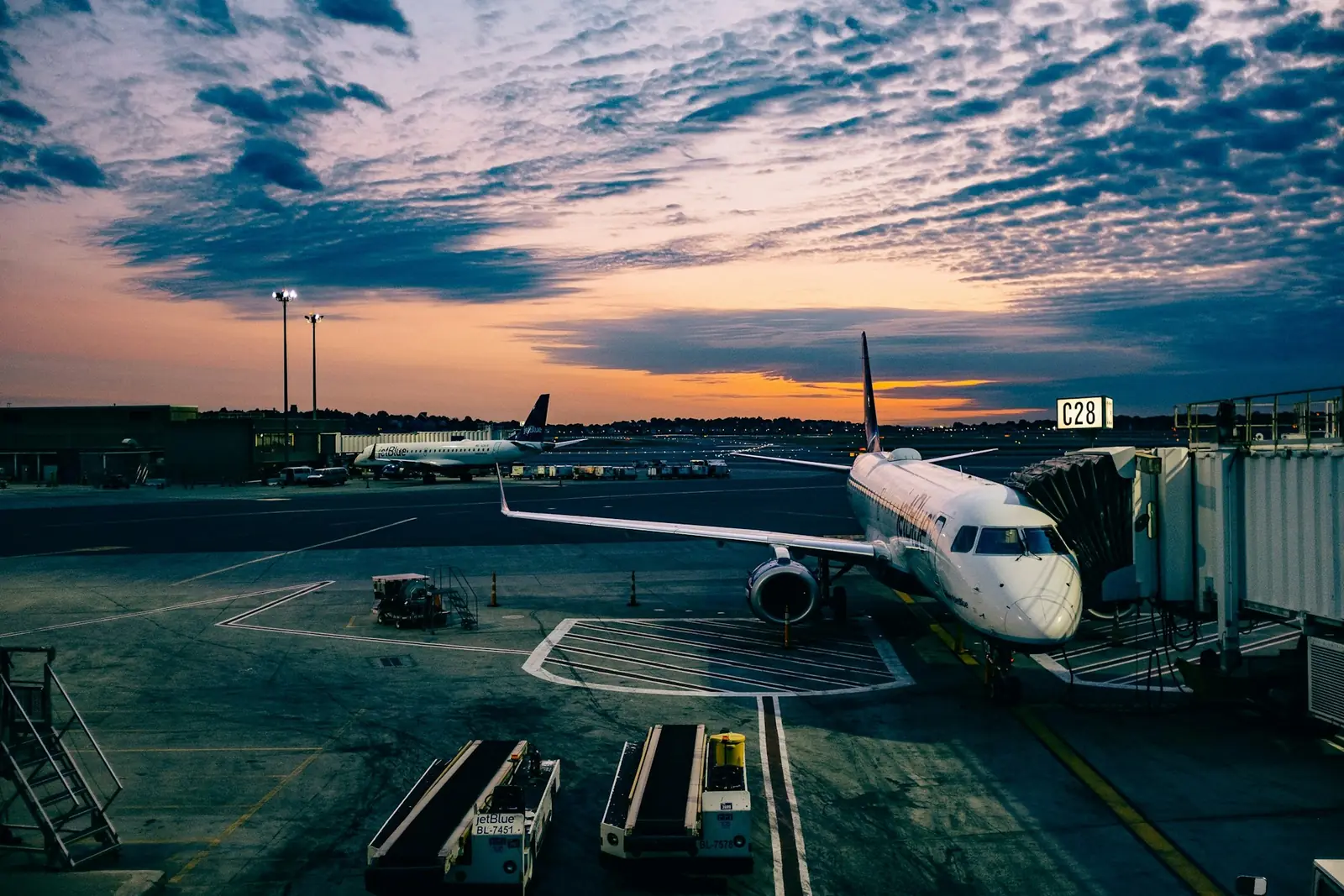
Most visitors land at Montréal–Trudeau in Dorval, west of the core, code YUL. The transfer into downtown is a real ride, not a stroll from baggage claim. In fair traffic it is manageable. In a snowstorm it deserves a margin. Taxis, the airport bus, and whatever rail link is operating that season all exist. Confirm the current one before you treat the trip as a fixed number of minutes.

If the flight leaves at dawn, compare a night in Dorval using the Montréal–Trudeau guide with a night in the city. Those are different stays. Sleeping downtown because the photos look better is a weak reason to start a travel day in the dark. The city pages are for the visit. The airport page is for the departure.

Season

Cold winters, festival summers

Winter

Cold is the planning unit. Snow and wind make a short walk feel longer, and the underground city earns its keep in the downtown core. Festival energy does not vanish, but it moves indoors or onto short outdoor bursts. Pack for a real winter, including footwear that can handle a salted sidewalk and a slushy crossing.

Spring

The thaw is uneven. Some days feel like a coat you can open, and some still belong to winter, especially after sunset. Terrasses begin to return, and the sidewalks can be wet. It is a useful time if you want the city without the thickest summer crowds, provided you keep a layer in the bag.

Summer

Festival season fills downtown, the Quartier des Spectacles, and the Plateau with people who came for music, comedy, and long evenings. Heat and humidity are real, and so is the pleasure of eating outside. Book the neighbourhood for the festival geography you actually want, then expect busy sidewalks and a later dinner hour.

Autumn

Cooler evenings and colour on the mountain and in the towns upriver. The festival crush eases, though weekends can still fill a popular restaurant street. It is a strong season if you like walking and do not need July's late light. A jacket that handles wind off the river will get used.

Planning

Winter changes the building you want

Underground city

In deep winter, a downtown hotel near indoor connections is a comfort, not a gimmick.

Airport

YUL is in Dorval. A dawn departure is an airport night, not an Old Montréal night.

Choosing

What a Montreal hotel search is sorting

A Montreal search that adds a neighbourhood is already doing the useful work. Old Montréal is the historic grid. Downtown Montréal is Peel, Place des Arts, and the indoor winter network. The Plateau and Mile End are where you go when the evening is the point. Griffintown suits people who want a newer edge near the basin and do not need to be upstairs from the oldest streets.

A weekend in the Laurentians is a different map. Mont-Tremblant is about ninety minutes from Montréal in fair weather, which is a plan, not an errand between dinner and a show. Québec City is the capital, a few hours along the river, with its own walls and its own winter. Use those guides when the island is only your air door.

Travellers

Trips that fit the island

First visit

Stay where you can walk to one landmark set, either the Old Port or Place des Arts, and leave the other for a deliberate outing. Trying to sleep in Mile End and also live on the cobbles makes every evening a transfer.

Winter trip

Prefer a building with a short exposed walk, or use the underground city as your downtown circulation. A picturesque stair in July can be a daily annoyance in January ice.

Dawn flight

Sleep in Dorval if the departure owns the morning. A downtown night is the better story only when the flight is later and the visit is the point of the ticket.

Practical

Language, transit, and the early alarm

Street signs, menus in neighbourhood restaurants, and transit announcements are French first. Hotel staff in the central districts switch to English as a normal part of the job, which is enough for arrival, breakfast, and a problem with a key. It is still worth knowing bonjour and merci, because the city is not performing English for you outside the lobby. If you need a pharmacy or a transit question on the sidewalk, a polite French opening helps.

The metro and buses cover the island well enough for a neighbourhood stay, and a car is often a burden downtown in summer construction and winter snow. Rules on parking change by borough. Read them before you arrive with a vehicle you do not need. For YUL, leave a margin in both directions and do not assume yesterday's transfer time still holds after a storm. This guide does not quote fares or room charges.

Questions

Before you decide

Is English enough in a Montréal hotel?

In the hotels that serve visitors, yes for the practical conversation: arrival, a request, breakfast, a problem. The city around the door is French. A few words of French are courteous and useful on the sidewalk. You do not need to be bilingual to stay, and you should not expect every shop to switch.

Should I stay downtown if my flight is at dawn?

Only if you enjoy a dark transfer. Dorval is the honest bed for an early YUL departure. Downtown is the honest bed for a day in the city. Read the airport guide when the ticket, not the restaurant, sets the alarm. Mixing the two feels clever until the morning traffic or the snow does not cooperate.

Can DVSVC reserve a Montréal room?

DVSVC does not hold Montréal rooms. The pages sort areas, seasons, and the difference between the island and Dorval. A reservation is made with a property or a travel provider, who can see the live terms this guide deliberately does not.

Is the Plateau the same as downtown?

Downtown is the core around Peel and the performance halls. The Plateau is a residential neighbourhood toward the mountain, with its own grocery streets and a different evening noise. Mile End is farther again. If your plan is a show and a short walk back, stay downtown. If your plan is dinner and a morning bakery, look north.

Snow-dusted mountain ridge above a dark valley

Next

Start with a place, not a price grid.

Choose a city or a stay type. Compare the context, then confirm current details with the travel provider you choose.

Browse hotel guides