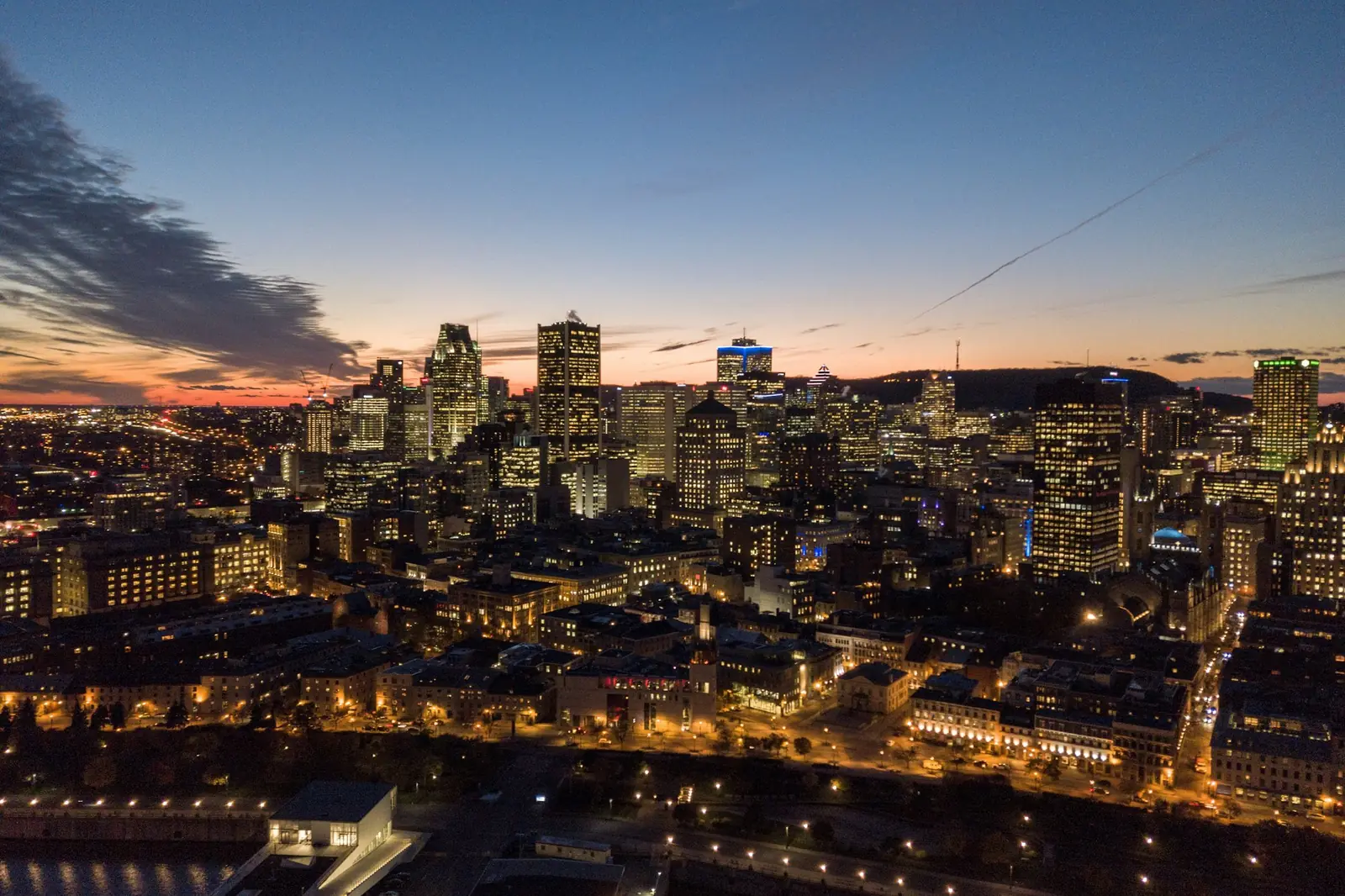
Dusk over downtown Montréal, Mount Royal sitting on the skyline

Quebec

Downtown Montréal hotels, on the winter grid

Downtown Montréal is the commercial core, not a nickname for the whole island. The useful hotel question is how close you are to Peel, Place des Arts, and a winter route that stays indoors when the sidewalk wind picks up.

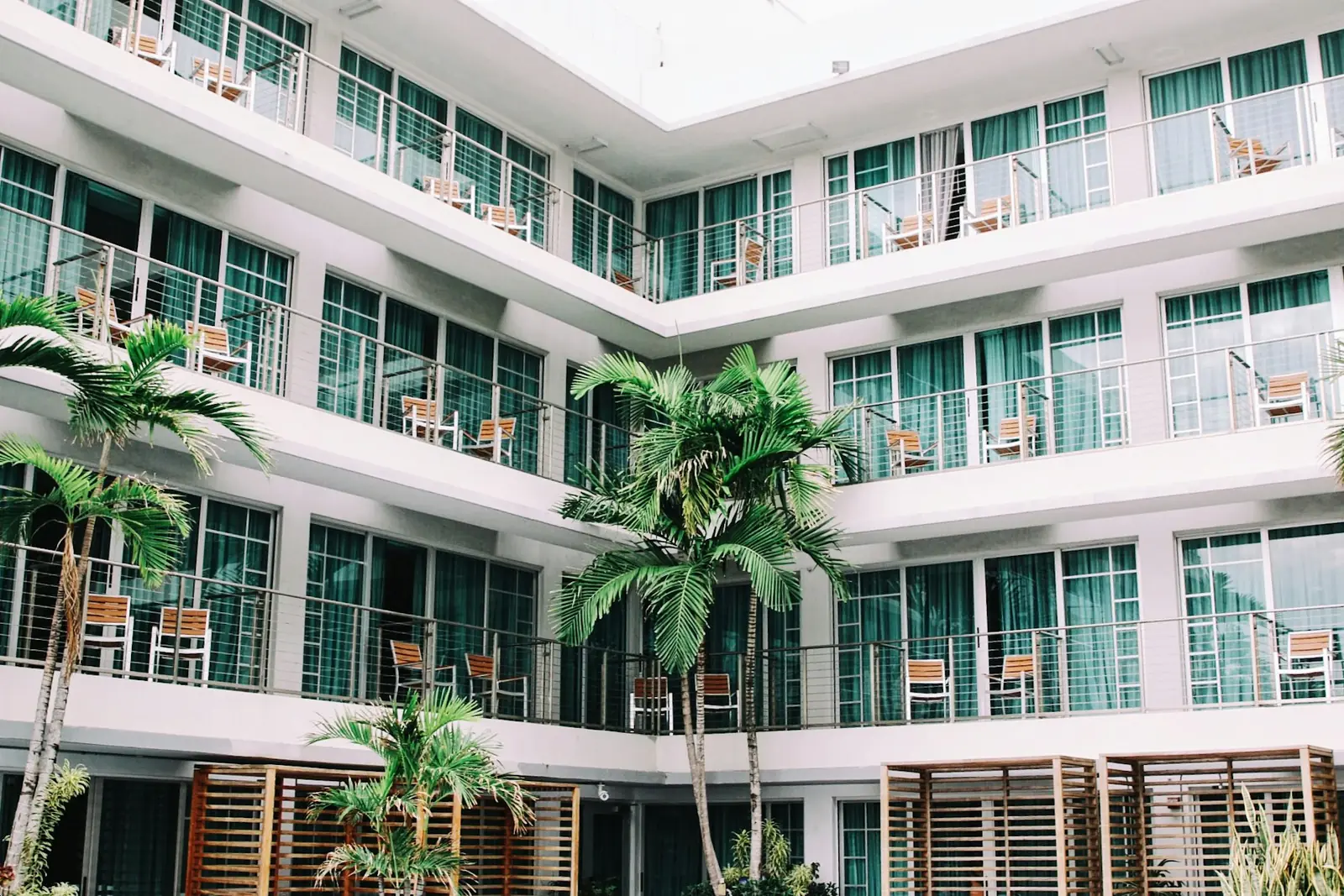
A hotel lobby interior in warm ambient light

Destination overview

The grid above the underground city

Downtown hotels sit on the grid that runs through the office towers, the shopping streets, and the performance halls around Place des Arts. Peel is a useful north-south reference when someone gives you a walking radius. In January the underground city matters as much as the surface address, because a connected block and a windy block are different mornings. Old Montreal is a separate neighbourhood to the south, with its own page, its own stone, and its own reasons.

The core is walkable in fair weather and negotiable in winter if you are willing to use indoor links, the metro, and a taxi for the nasty gaps. Summer festivals gather around the Quartier des Spectacles, so a room within a few blocks is convenient and also noisy on a headliner night. A room farther along the grid, still downtown, can be calmer while keeping the same transit. Height and a brand do not tell you which of those nights you booked.

Griffintown begins as you move toward the basin, and the Plateau begins as you climb away from the towers. Both are city stays. Neither is this page. If your days are meetings, a museum, or a show, the downtown grid is the coherent base. If your days are bakeries and a mountain walk, you will feel the commute from a Peel corner. Choose with that honesty, then use a travel provider for the actual room.

Neighbourhoods

Peel, the halls, and the indoor winter

Peel

Peel is the street people use as a pin when they mean the middle of downtown. Hotels described as near Peel are usually in the shopping and office grid, with a straight walk to the metro and to the east-west arteries. It is busy, lit, and full of ordinary city friction: construction, couriers, and crowds at lunch.

Place des Arts

Place des Arts and the Quartier des Spectacles are the performance side of downtown. A hotel in this direction suits a concert, a festival night, or a museum afternoon more than a quiet residential morning. Streets fill and empty with the schedule. In winter you can often connect through indoor routes rather than crossing a wide plaza in the wind.

The underground city

The underground city is the winter circulation system under downtown, a network of corridors linking malls, metro stations, offices, and some hotels. It is not a neighbourhood you book in the way you book Old Montreal. It is a way of moving once you are already in the core. A building that connects, or sits a minute from a connection, changes January.

Accommodation

The tower and underground stay

Downtown Montréal hotels

Useful for the underground network, offices, and a winter walk that stays indoors between blocks.

Not Old Montréal

The cobbles are nearby and still a different sound at night.

Getting there

A transit centre, a transfer from Dorval

Downtown is the centre of the island's transit web. The metro, buses, and walking cover most visitor days. A car is possible and often annoying, with construction, one-way streets, and winter parking rules that you should read before you rely on a vehicle. Arriving from YUL means a transfer from Dorval. Build time for it, especially if you land and go straight to a show.

Old Montreal is close on a map and different on the ground. Use the Montréal guide for the full island choice, and the Old Montréal page if the stone streets are the actual plan. The Montréal–Trudeau page is the one to open when the flight, not the skyline, is the reason you are here.

Planning

Indoor connections are the winter feature

RESSO and tunnels

They help. They do not replace a neighbourhood dinner on a plateau street.

Choosing

The downtown filter, stated plainly

The downtown search is a location filter. People who add it are usually trying to keep Peel, Place des Arts, and the winter indoor network inside the plan. That is a sound filter. It does not tell you which building has a quiet room this month. Take the filter to a travel provider after you know which corner of the grid you want, and ask there about noise, walk times, and any indoor connection.

Old Montreal remains the historic alternative, covered on its own page, and the Plateau remains the neighbourhood alternative. A dawn departure still belongs with the airport guide. DVSVC can help you separate those maps. It cannot hold a downtown room or tell you that one tower is the one to book.

Season

When the core moves indoors

Winter

This is when downtown's indoor network earns the decision to stay here. You can do a surprising amount of the day below grade or under cover, then come up for the thing you actually came to see. Surfaces are salted, wind finds the avenues, and a picturesque walk is optional.

Spring

Melting snow, wet pavement, and the first days when a surface walk is pleasant again. The underground city is still there, but you will use it less. Construction season begins to show itself on downtown streets. It is a fair time for a meeting trip, with fewer festival crowds than July and enough daylight to find your way.

Summer

Long light, terrasses, and the festival calendar concentrated near Place des Arts. A downtown room is in the middle of that energy, which is the point for some trips and a reason to look at the Plateau for others. Nights are warm. The grid stays busy late.

Autumn

Cool air, fewer outdoor stages, and a downtown that goes back to offices, students, and ordinary dinners. Walking is comfortable, and the mountain is an easy separate outing rather than a survival test. Weekends can still be full. It is a strong season for a city break that does not depend on a festival schedule.

Travellers

Who the core actually suits

Theatre and festivals

Stay within a short walk of Place des Arts and accept the evening noise as part of the location. A later dinner is normal on a show night, and the sidewalks belong to the crowd as much as to you.

Meetings

The office grid around Peel keeps you near the daytime city. You will share the sidewalks with people who work here, which is a useful picture of downtown and a crowded lunch hour.

January

Treat the underground city as transport. Pick a block that shortens the exposed walk, and leave the June photograph of a windswept corner out of the winter plan.

Practical

Finding the hall, and which way the room faces

Place des Arts sits in the Quartier des Spectacles, a cluster of halls rather than a single door. Give yourself time to find the right entrance, especially in winter when you may arrive through an indoor route and lose the visual cue of the plaza. Peel is easier to sight as a street. The blocks between them are downtown proper. Count the walk in minutes on the day you have, not in the optimism of a July photograph.

Noise tracks the avenue and the event calendar. A room facing a main street near the halls will hear nightlife on a festival weekend. A room on a side street may hear loading early in the morning. Neither fact is visible in a wide exterior photo. When you book elsewhere, ask which side the room is on. This downtown guide will not pretend to know the floor plan of a tower it does not operate.

Questions

Before you decide

Is downtown the same as Old Montreal?

They share a city and a short ride. They do not share a street character. Downtown is Peel, Place des Arts, towers, and the underground winter network. Old Montreal is the historic grid by the Old Port. If the photos you liked show stone and cobbles, use that guide. If they show a commercial avenue, stay with this one.

Does every downtown hotel connect indoors?

Do not assume a connection from a downtown address alone. Some buildings tie into the indoor network and some leave you at street level for the whole walk. The difference shows up on a cold morning more than in a summer photograph of the neighbourhood. Ask the property before you assume a door into the network.

Can I walk downtown to the old grid?

In fair weather, yes, if you have time and decent shoes. It is a meaningful walk rather than a step outside for coffee, and it is less appealing in slush or with luggage. Many people ride the metro or a short taxi between the two and keep their energy for the evening.

Will DVSVC pick a downtown tower?

No tower is selected here. The guide explains the grid, the winter indoor routes, and the line between downtown and Old Montreal. You reserve with a property or a partner after that choice. If a page names a single building as the one to book, it is not this one.

Snow-dusted mountain ridge above a dark valley

Next

Start with a place, not a price grid.

Choose a city or a stay type. Compare the context, then confirm current details with the travel provider you choose.

Browse hotel guides